Before going any further, I want to draw the line of hacking legality very clearly… Unfortunately, specifically to the issue below, it’s grey and there hasn’t been a legal precedent, just speculation (more here) and I think it’s important that we push such soft boundaries as internet citizens so that they don’t close in on us too fast. My two cents.
WHAT IS A VPN?
While living in China, if I wanted access to Facebook, Twitter, Youtube, Linkedin, ANY blog or other such ‘borderline’ sites, I had to use a VPN or Virtual Private Network (services which allow you to browse privately and designating any location as your current coordinates).
Here are my recommendations for mac and windows respectively (12VPN and Witopia).
USING A VPN TO WATCH GEO-BLOCKED MOVIES AND SERIES
“Why would I need to do this?” might be the first question… because it’s unavailable.
For example, Netflix is an amazing service that is geo-blocked in many areas (ie France), just as are many youtube videos, Hulu and other great sites. Quite a shame, don’t you think that in the flat internationalized world of today, we are split into ‘markets’, when things could be so much more open… a desegregation might even discourage illegal sharing of content!
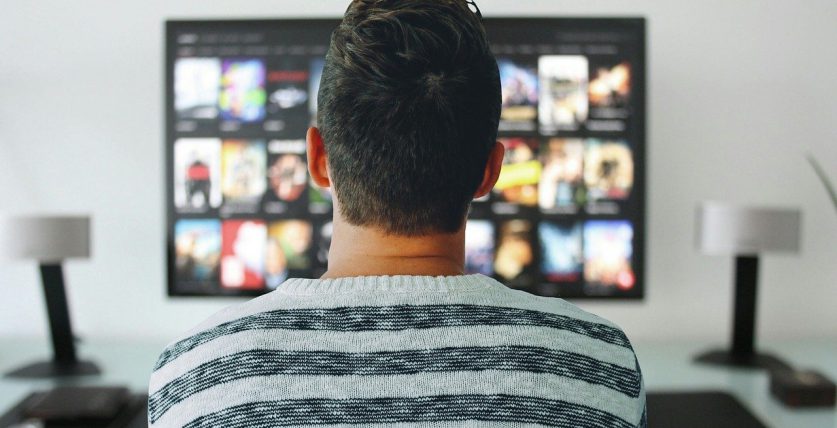
So, say your students install a VPN, then buy a Netflix license from the UK at 5 pounds a month. While accessing the site, they go through a London VPN portal and immediately have unlimited access to a myriad of series and movies.
As we know from great posts such as Chia’s on “Learning English through TV Series“ or Chiew’s latest interview with Kieran Donaghy where they talk about learning through watching movies, this immersion into authentic English is so important, and the nice thing about Netflix is that it allows students to have subtitles for most videos, as well as short summaries of each episode as well.
As a learner who swears by immersion and only immersion, I think Chia’s quote in her post above is dead on: ”After some time, the brain starts to associate the way things are pronounced and the individual words that actually make up the utterance.” Along the lines of Krashen’s research it needs to be comprehensible input, but that can come pretty quickly when all those neurons are turned on as a learner is paying 100% attention to the latest series that has snagged them.
So… are you going to show your students how to ‘hack’ their way into Netflix?